

Health & Safety Online Training Courses
AJC provides professional online health and safety training courses designed to help organisations meet legal obligations, reduce workplace risk, and protect employees.
Our CPD-approved e-learning courses cover essential workplace safety topics including fire safety, manual handling, asbestos awareness, risk assessment, work at height, and more. Each course is designed to be practical, accessible, and aligned with current UK health and safety legislation.
Whether you are training new starters, refreshing existing knowledge, or meeting compliance requirements, our online health and safety training allows employees to complete courses flexibly, at their own pace.
Browse the available health and safety courses below and request access using the form provided.
Health and Safety Training Courses

Abrasive Wheels Awareness
This Abrasive Wheels Awareness eLearning course provides concise, practical training designed to raise understanding of abrasive wheels, the hazards they pose, and the essential precautions required to use them safely in the workplace. The course is suitable for anyone who works with or around abrasive wheels, including those using grinders, cut-off saws and other abrasive cutting tools. It emphasises legal responsibilities, hazard recognition, safe working practices and basic control measures necessary to reduce the risk of injury.
Course Aims
The primary aims of the course are to:
- Increase awareness of what abrasive wheels are and why competence in their use matters for health and safety.
- Highlight the key risks and common hazards associated with abrasive wheels, including mechanical and non-mechanical dangers.
- Explain legal and regulatory requirements, helping learners understand their duties under relevant safety standards.
- Develop practical knowledge of selecting, handling, mounting and safely operating abrasive wheels to prevent accidents.
- Promote safe working practices, including correct use of personal protective equipment (PPE) and control of dust and debris.
- Equip learners with risk reduction strategies applicable to routine tasks involving abrasive wheels.
Key Learning Outcomes
By the end of this 30-minute awareness module, learners will be able to:
- Define what abrasive wheels are and recognise where they are used in the workplace.
- Identify the principal hazards and risks associated with abrasive wheel use.
- Understand essential safety controls, including selection, storage, inspection and mounting of wheels.
- Apply best practice in the safe operation of abrasive wheels, including appropriate PPE selection.
- Demonstrate awareness of basic risk-reduction measures to protect themselves and others.

Agile Working
This Agile Working eLearning course is designed to support employees who work outside of a traditional office environment — including remote, hybrid and flexible work arrangements — by providing essential health, safety and wellbeing guidance. It covers the key issues an agile worker needs to consider to work safely and effectively across different locations. The course includes practical advice on workstation setup, hazard awareness, risk assessment, security and general wellbeing while working away from the office. It is self-paced and suitable for all staff levels.
Course Aims
The aims of the Agile Working course are to:
- Build awareness of the hazards and risks associated with working in agile or flexible environments.
- Equip learners with practical skills to identify risk factors and conduct basic checks on workstations regardless of location.
- Provide understanding of ergonomic principles and how to set up comfortable, safe workspaces using available equipment.
- Encourage safe working habits through guidance on posture, breaks, exercise and overall personal wellbeing while working remotely.
- Highlight general safety considerations, including security, slips-trips-falls, fire safety, electrical risks and managing stress or social isolation.
Key Learning Outcomes
By the end of this 30-minute course, learners will be able to:
- Recognise common hazards linked to agile working and understand employer responsibilities.
- Identify the minimum equipment requirements and adjustments for safe workstation setup wherever they work.
- Demonstrate how to complete basic workstation checks and ergonomic adjustments.
- Understand effective strategies for managing posture, breaks and discomfort associated with remote and agile work.
- Apply basic safety and security practices to protect personal wellbeing and information when working remotely.

Asbestos Awareness
This Asbestos Awareness eLearning course provides essential, concise training on asbestos — a hazardous material that may still be present in many buildings and workplaces. The course equips learners with the foundational knowledge to recognise asbestos-containing materials (ACMs), understand the health risks associated with exposure, and know what action to take if asbestos is encountered. It is designed for employees in maintenance, construction, facilities, and other roles where contact with asbestos is reasonably foreseeable, but not for those carrying out licensed asbestos removal work. This course supports compliance with relevant safety guidance by raising awareness of risks and basic control measures to prevent accidental exposure.
Course Aims
The primary aims of the Asbestos Awareness course are to:
- Provide foundational knowledge of what asbestos is and why it is hazardous to health.
- Help learners identify where asbestos and ACMs may be found in buildings and structures.
- Explain the short- and long-term health risks associated with asbestos fibre exposure.
- Highlight legal and regulatory expectations for awareness and reporting obligations.
- Develop safe behaviours so learners know how to avoid disturbing asbestos and how to respond if they encounter it unexpectedly.
Key Learning Outcomes
By the end of this 30-minute awareness course, learners will be able to:
- Define asbestos and explain why it presents a health risk.
- Identify common materials and locations where asbestos might be present in buildings.
- Understand the basic symptoms and long-term health effects of asbestos exposure.
- Recognise the importance of not disturbing suspected asbestos and the appropriate steps to take if it is found.
- Apply basic awareness principles to support a safer work environment and minimise exposure risk.

Behavioural Safety
This Behavioural Safety eLearning course introduces learners to the principles of behavioural safety and its role in creating safer workplaces. It explores how human behaviour, attitudes and decision-making influence safety performance and risk outcomes, and provides practical guidance on recognising unsafe behaviours and reinforcing safer choices. The course content supports individuals at all levels to understand the connection between behaviour and workplace incidents, and to contribute positively to their organisation’s safety culture. It is suitable for employees and supervisors alike who need awareness of common behavioural influences and simple techniques to promote safer actions.
Course Aims
The primary aims of the course are to:
- Develop understanding of what behavioural safety is and why it matters for workplace health and safety.
- Highlight how attitudes and behaviours influence risk, including how unsafe acts contribute to incidents.
- Encourage learners to recognise at-risk behaviours and the factors that lead to them.
- Provide practical insights into how behavioural safety programmes can be structured and applied.
- Support positive safety culture, reinforcing behaviours that prevent harm and protect people and assets.
Key Learning Outcomes
By the end of this 40-minute module, learners will be able to:
- Define behavioural safety and explain its relevance in reducing workplace injuries and incidents.
- Recognise the difference between safe and unsafe behaviours and understand how they impact safety outcomes.
- Identify common behavioural risk factors and how attitudes can influence decision-making.
- Understand the basic components of a behavioural safety approach and how it supports an organisation’s safety culture.
- Apply simple behavioural safety concepts to observe, communicate and reinforce safer behaviours in their day-to-day work.

Building Safety Act
This Building Safety Act eLearning course delivers a concise, practical overview of the UK Building Safety Act and its implications for duty holders, construction professionals, facilities personnel and others involved in the lifecycle of buildings covered by the legislation. The training explains the background and purpose of the Act, the responsibilities it places on duty holders (including accountable persons), and key concepts such as the golden thread of building information and the role of the Building Safety Regulator. Learners will gain insight into how building safety regulation has evolved following recent high-profile incidents and how to apply the Act’s principles to improve safety performance and compliance.
Course Aims
The aims of the Building Safety Act course are to:
- Introduce the legislative framework and objectives of the Building Safety Act, including why it was introduced and how it seeks to improve safety standards in buildings at risk.
- Clarify the roles and responsibilities of dutyholders such as Accountable Persons, Principal Accountable Persons and other parties under the Act.
- Explain key regulatory concepts, including the golden thread of information and the function of the Building Safety Regulator.
- Raise awareness of compliance requirements, helping learners understand how the Act affects design, construction, management and ongoing safety obligations.
- Support safer building practices by outlining basic risk management expectations and how careful planning and information management contribute to reduced risk.
Key Learning Outcomes
By the end of this 30-minute awareness course, learners will be able to:
- Explain the purpose and structure of the Building Safety Act and its impact on building safety regulation.
- Identify who the relevant dutyholders are under the Act and understand the responsibilities associated with those roles.
- Recognise core regulatory concepts such as the golden thread of building safety information and the role of the Building Safety Regulator.
- Describe how compliance with the Act influences processes in construction, refurbishment and building management.
- Apply basic principles from the training to support safer decision-making and compliance in their own working context.

CDM Awareness
This CDM Awareness eLearning course provides a clear, concise introduction to the UK Construction (Design and Management) Regulations 2015 (CDM 2015) and the health and safety duties they impose throughout a construction project. The training is aimed at workers, supervisors and professionals who need foundational awareness of CDM principles, duty holder responsibilities, and how safe planning, coordination and communication help reduce risk on construction projects. It supports compliance with legal requirements by explaining key concepts such as duty holders, pre-construction information, planning and construction phase safety.
Course Aims
The primary aims of the CDM Awareness course are to:
- Introduce the purpose and scope of the Construction (Design and Management) Regulations 2015 and why they matter for construction safety and compliance.
- Clarify core regulatory concepts, including roles, responsibilities and terminology used in CDM.
- Explain the key duty holder roles — such as clients, designers, principal designers, principal contractors and contractors — and their obligations under CDM.
- Highlight the importance of planning and risk management, including pre-construction information and development of construction phase plans.
- Support safer project execution, emphasising risk reduction through effective communication, coordination and compliance.
Key Learning Outcomes
By the end of this 30-minute awareness module, learners will be able to:
- Explain the aims of the CDM Regulations 2015 and how they improve health and safety on construction projects.
- Identify the main duty holders under CDM and understand the responsibilities associated with each role.
- Recognise the importance of planning, pre-construction information and key documents used to support safety and compliance.
- Understand the role of risk management and how effective communication and cooperation between parties contributes to safer outcomes.
- Apply basic awareness of CDM principles to contribute towards safer working environments and support organisational compliance.

Confined & Enclosed Space Awareness
This Confined & Enclosed Space Awareness eLearning course delivers essential awareness training on the hazards associated with confined and enclosed spaces and what workers need to know to stay safe. The course explains how to recognise confined and enclosed spaces, the risks they present — including limited access, hazardous atmospheres, and restricted ventilation — and the importance of appropriate precautions. It also introduces basic control measures, legal duties and safe working behaviour so learners can contribute to safer working environments.
Course Aims
The aims of the Confined & Enclosed Space Awareness course are to:
- Raise understanding of confined and enclosed spaces, including typical examples and why they can be dangerous.
- Explain key hazards and risks associated with these environments, such as asphyxiation, toxic atmospheres, entrapment and restricted access.
- Clarify legal responsibilities and duties under applicable health and safety legislation for employers and employees.
- Introduce safe working principles, risk assessment basics and control measures to help reduce the likelihood of incidents.
- Promote awareness of emergency procedures and response expectations should a hazardous situation occur.
Key Learning Outcomes
By the end of this 20-minute awareness module, learners will be able to:
- Define what is meant by a confined or enclosed space and recognise examples of where they may be found.
- Identify the principal hazards and risks that confined and enclosed spaces may present in the workplace.
- Understand basic legal and organisational responsibilities related to confined space safety.
- Describe simple risk control measures and safe work practices that help protect workers.
- Recognise the importance of emergency planning and how to respond if unsafe conditions arise.

Display Screen Equipment
This Display Screen Equipment (DSE) eLearning course provides essential awareness training on working safely with display screen equipment — including computers, laptops, tablets and associated peripherals. The course helps learners understand how prolonged use of DSE can affect health and wellbeing, and highlights practical steps for setting up a comfortable, compliant workstation and adopting safe working practices. It is suitable for office-based staff, agile workers and anyone who regularly uses display screen equipment as part of their role.
Course Aims
The aims of the Display Screen Equipment course are to:
- Increase understanding of DSE risks, including musculoskeletal issues, eye strain, fatigue and discomfort associated with prolonged screen use.
- Explain legal responsibilities and compliance, including employer and employee duties under relevant health and safety regulations.
- Provide guidance on ergonomic principles, including correct chair, desk and screen setup tailored to individual needs.
- Promote effective posture and work habits, such as breaks, micro-pauses, task variation and stretches to reduce risk.
- Support self-assessment and risk mitigation, enabling learners to identify hazards and make simple adjustments to their workstations.
Key Learning Outcomes
By the end of this 30-minute awareness course, learners will be able to:
- Define what is meant by Display Screen Equipment and recognise associated risks.
- Understand the health effects of poor DSE practices and why DSE considerations matter.
- Identify ergonomic principles for effective workstation setup, including chair, desk, keyboard and screen positioning.
- Apply safe work habits, including appropriate breaks and posture changes, to reduce discomfort and risk.
- Conduct a basic self-assessment of DSE workstation setup and make practical adjustments.

Driver Awareness
This Driver Awareness eLearning course provides a concise, practical introduction to safe driving principles and the behaviours that help reduce risk on the road. It focuses on raising awareness of common hazards, the importance of hazard perception, speed management, distraction avoidance and other key aspects of responsible driving. The training is suitable for both personal and business drivers and supports safer driving habits that benefit both the individual and other road users.
Course Aims
The aims of the Driver Awareness course are to:
- Increase understanding of road risks and hazards, including how everyday driving choices can influence safety outcomes.
- Enhance hazard perception and observation skills, helping drivers to recognise potential dangers early and adjust behaviour accordingly.
- Encourage safe driving behaviours, such as appropriate speed management, maintaining focus and minimising distractions.
- Explain key responsibilities under road and work-related safety law, reinforcing why safe driving matters for individuals and employers.
- Support a reflective approach to driving, prompting learners to assess and improve their own on-road decision-making.
Key Learning Outcomes
By the end of this 30-minute awareness course, learners will be able to:
- Define what driver awareness means and why it is critical to reducing road incidents.
- Recognise common driving hazards and understand how to respond proactively.
- Identify practices to maintain focus and manage distractions, such as mobile phone use, fatigue and in-vehicle activities.
- Understand the influence of speed on reaction time and collision risk and how to maintain safe speed choices.
- Apply basic safe-driving principles in everyday driving scenarios to protect themselves and other road users.

Electrical Safety
This Electrical Safety eLearning course provides essential awareness training on the risks associated with electricity and how to work safely around electrical systems and equipment. The module helps learners understand fundamental principles of electrical safety, recognise common hazards and learn practical measures to reduce risk, including safe use of electrical appliances, basic compliance with relevant UK regulations and appropriate responses to electrical incidents. It is designed for all employees who may encounter electrical risks in their workplace, regardless of technical background.
Course Aims
The primary aims of the Electrical Safety course are to:
- Introduce basic electrical principles so learners can recognise where electrical hazards may arise and why they pose risks.
- Raise awareness of common electrical hazards, including electric shock, burns, fires and damaged equipment.
- Explain key legal and compliance requirements under relevant safety regulations (such as the Electricity at Work Regulations) and employer/employee duties.
- Provide safe working guidance, including how to assess and reduce electrical risk and safe behaviours when using electrical equipment.
- Support immediate response knowledge, including what to do in the event of an electrical incident or emergency.
Key Learning Outcomes
By the end of this 30-minute awareness course, learners will be able to:
- Define electricity and recognise electrical equipment and situations that can present hazards in the workplace.
- Identify common electrical risks and how they can cause harm such as shock, burns or electrical fires.
- Understand the relevant legal framework and safety responsibilities, including employer duties and safe working practices.
- Apply basic risk assessment and control measures to minimise electrical hazards.
- Explain appropriate action in an electrical emergency, including first aid and reporting procedures.

Health & Safety Awareness
This Health & Safety Awareness eLearning course provides a comprehensive introduction to the fundamental principles of workplace health and safety. Learners will gain essential understanding of key legal requirements, risk management basics, hazard recognition and how individual behaviours contribute to a safer working environment. The course supports employees and managers across industries to recognise common workplace risks, understand their responsibilities under health and safety law, and adopt effective safety practices that reduce accidents and promote wellbeing.
Course Aims
The primary aims of the Health & Safety Awareness course are to:
- Introduce the principles of health and safety at work, including why proactive safety measures are important.
- Explain legal duties and responsibilities of employers and employees under the Health and Safety at Work etc. Act 1974 and related guidance.
- Raise awareness of common workplace hazards and risk factors, and how they can be identified and controlled.
- Provide practical guidance on risk assessment, hazard prevention and basic health and safety procedures.
- Support a positive safety culture, encouraging safe behaviours and effective incident reporting.
Key Learning Outcomes
By the end of this 45-minute module, learners will be able to:
- Understand the purpose of health and safety at work and how it benefits individuals and organisations.
- Recognise the statutory roles and responsibilities of both employers and employees in managing health and safety.
- Identify common hazards and risks in a typical workplace and explain measures to address them.
- Explain the basic principles of risk assessment and control measures that reduce the likelihood of incidents.
- Describe appropriate procedures for reporting accidents, near-misses and unsafe conditions.
- Apply health and safety best-practice behaviours to daily tasks to help protect themselves and others.

Health & Safety Awareness (Low Risk)
This Health & Safety Awareness (Low Risk) eLearning course provides a concise introduction to the essential principles of workplace health and safety within low risk environments. It is designed for employees working in settings such as offices, retail or other non hazardous workplaces where risks are generally lower but effective safety awareness remains critical. The course explains key legal responsibilities, common hazards and straightforward control measures, helping learners understand how everyday actions contribute to maintaining a safe and compliant workplace.
Course Aims
The primary aims of the Health & Safety Awareness (Low Risk) course are to:
- Increase understanding of fundamental health and safety principles and why they apply in all workplaces, including low risk settings
- Explain employer and employee duties under UK health and safety legislation
- Raise awareness of common low risk workplace hazards and how they can be identified
- Provide practical guidance on proportionate risk control measures
- Encourage safe behaviours and proactive reporting to support a positive safety culture
Key Learning Outcomes
By the end of this 25 minute awareness course, learners will be able to:
- Understand the purpose and importance of health and safety in low risk work environments
- Recognise basic legal responsibilities for maintaining workplace safety
- Identify common hazards such as slips, trips, workstation issues and housekeeping risks
- Apply simple control measures to reduce the likelihood of accidents and ill health
- Explain appropriate procedures for reporting hazards, incidents and near misses

Health and Safety Induction
This Health and Safety Induction eLearning course provides a comprehensive introduction to workplace health and safety for new starters or employees moving into new roles. It establishes the essential knowledge required to work safely from day one, covering legal responsibilities, common workplace hazards, risk control measures and organisational safety procedures. The course ensures learners understand how health and safety applies within their specific work environment and how individual actions contribute to maintaining a safe, compliant and productive workplace.
Course Aims
The primary aims of the Health and Safety Induction course are to:
- Introduce the core principles of workplace health and safety and why they are essential for all employees
- Explain the legal duties of employers and employees under UK health and safety legislation
- Raise awareness of common workplace hazards and the importance of risk assessment and control measures
- Provide understanding of key workplace procedures, including emergency arrangements and reporting systems
- Promote a proactive safety culture from the outset of employment
Key Learning Outcomes
By the end of this 45-minute induction course, learners will be able to:
- Understand the purpose and importance of health and safety in their workplace
- Recognise employer and employee responsibilities for maintaining a safe working environment
- Identify typical workplace hazards and understand how associated risks are managed
- Explain essential workplace procedures, including emergency response and incident reporting
- Demonstrate safe behaviours that support compliance and contribute to a positive safety culture

Manual Handling
This Manual Handling eLearning course provides essential training on the safe techniques and risk control practices associated with manual handling tasks. Learners will understand what constitutes manual handling, why incorrect handling can lead to injury, and how to apply correct techniques when lifting, lowering, pushing, pulling or carrying loads. The course also covers the principles of risk assessment, use of mechanical aids, and organisational responsibilities for reducing musculoskeletal injuries. It is suitable for anyone whose role involves manual handling activities.
Course Aims
The primary aims of the Manual Handling course are to:
- Introduce what manual handling is and explain why safe practices are important
- Raise awareness of common manual handling hazards and associated risks
- Clarify legal and organisational responsibilities for manual handling safety under UK health and safety expectations
- Provide practical guidance on correct manual handling techniques to reduce the likelihood of injury
- Encourage the use of risk assessment and mechanical aids where appropriate
Key Learning Outcomes
By the end of this 30-minute awareness course, learners will be able to:
- Define manual handling and identify routine tasks that involve it
- Recognise key risk factors that contribute to manual handling injuries
- Understand and apply correct handling techniques to protect the back and joints
- Explain when and how to use mechanical aids or team handling to reduce risk
- Apply basic risk assessment principles to manual handling tasks and adopt safe working behaviours

Manual Handling in the Office
This Manual Handling in the Office eLearning course provides essential training on safe manual handling practices specifically within office environments. The course helps learners understand common office-related manual handling tasks, the risks associated with poor handling techniques, and how to adopt safe behaviours that reduce the likelihood of musculoskeletal injury. It covers risk identification, correct posture and lifting techniques, use of equipment where appropriate, and organisational responsibilities for maintaining a safe office workspace.
Course Aims
The primary aims of the Manual Handling in the Office course are to:
- Explain what manual handling is and why it matters within office settings
- Raise awareness of common office handling risks, such as lifting boxes, moving office equipment or adjusting workstations
- Clarify legal and organisational responsibilities for manual handling safety under UK health and safety expectations
- Provide practical guidance on correct office manual handling techniques to reduce strain and injury
- Encourage proactive risk assessment and safe working behaviours in daily tasks
Key Learning Outcomes
By the end of this 30-minute awareness course, learners will be able to:
- Define manual handling in the context of an office environment and recognise related tasks
- Identify common manual handling risks encountered in office work
- Apply correct posture and handling techniques to reduce strain and injury
- Explain when and how to use assistance (such as trolleys or team lifting) to reduce risk
- Demonstrate safe behaviours and simple risk assessment practices in routine office activities

Vibration Awareness
This Vibration Awareness eLearning course provides comprehensive training on the risks associated with exposure to vibration in the workplace and the practical measures needed to control those risks. It covers both hand-arm vibration and whole-body vibration, helping learners understand how prolonged or frequent exposure to vibration from tools, machinery or vehicles can lead to long-term health conditions. Learners will explore legal expectations, hazard identification, risk assessment and control strategies that reduce vibration exposure and support safer work practices.
Course Aims
The primary aims of the Vibration Awareness course are to:
- Explain the effects of vibration on the human body, including conditions such as Hand-Arm Vibration Syndrome (HAVS) and musculoskeletal disorders
- Raise awareness of common sources of workplace vibration, including powered hand tools, plant machinery and vehicles
- Clarify legal and organisational responsibilities for managing vibration risks under UK health and safety expectations
- Provide guidance on assessing vibration risk and implementing control measures such as equipment selection, maintenance and work planning
- Encourage safe working behaviours and monitoring to help protect workers from avoidable harm
Key Learning Outcomes
By the end of this 45-minute awareness course, learners will be able to:
- Understand what vibration is and how it can affect health, including short- and long-term impacts
- Identify sources of hand-arm and whole-body vibration in the workplace
- Recognise legal duties and organisational expectations for managing vibration exposure
- Apply practical risk control measures, including task rotation, tool choice, equipment maintenance and exposure reduction techniques
- Demonstrate awareness of early symptoms of vibration-related health effects and explain when to report concerns

Volunteering Safely
This Volunteering Safely eLearning course provides essential training for volunteers and organisations that work with volunteers. It helps learners understand the key health, safety and wellbeing considerations relevant to voluntary roles across a range of environments. The course covers risk awareness, personal responsibility, basic hazard control measures, communication and emergency response expectations so volunteers can contribute safely and confidently while supporting their organisation’s objectives.
Course Aims
The primary aims of the Volunteering Safely course are to:
- Introduce fundamental health and safety principles relevant to volunteering activities
- Raise awareness of common hazards volunteers may encounter and how they can be managed
- Clarify responsibilities of volunteers and host organisations in maintaining safety
- Provide practical guidance on safe behaviours and hazard control
- Encourage effective communication and emergency preparedness
Key Learning Outcomes
By the end of this 30-minute awareness course, learners will be able to:
- Understand the importance of health and safety when volunteering
- Recognise common hazards associated with voluntary activities and engagement settings
- Explain basic risk reduction measures suitable for their role
- Apply safe behaviours and practices to protect themselves and others
- Demonstrate awareness of reporting procedures and how to respond to incidents or concerns

Work at Height
This Work at Height eLearning course provides essential training on the risks and controls associated with working at height in the workplace. Learners will understand why work at height presents significant safety hazards, how to identify situations where height-related risk exists, and what legal and practical measures are required to prevent falls and related injuries. The course covers hazard recognition, risk assessment, selection of appropriate equipment (such as ladders, stepladders, platforms and fall-protection systems), and safe work practices to ensure people are protected whenever work at height cannot be avoided.
Course Aims
The primary aims of the Work at Height course are to:
- Explain the risks associated with working at height and why they require specific safety controls
- Raise awareness of common work-at-height hazards, including unprotected edges, unstable access and inappropriate equipment
- Clarify legal and organisational responsibilities under UK work-at-height regulations and guidance
- Provide practical guidance on risk assessment and control measures, including the correct use of equipment and planning of tasks
- Encourage safe behaviours and effective planning to prevent falls and injuries
Key Learning Outcomes
By the end of this 30-minute awareness course, learners will be able to:
- Understand why work at height is hazardous and how falls can cause serious injury or fatality
- Identify situations where work at height may occur and recognise associated hazards
- Explain legal duties and organisational expectations for managing work-at-height risk
- Apply practical control measures, including appropriate selection and use of access equipment and fall protection
- Demonstrate safe planning and behaviour when preparing for and carrying out work at height

Food Safety & Hygiene (Level 2)
This Food Safety & Hygiene (Level 2) eLearning course is designed to provide learners with essential knowledge and practical practices for safe food handling, preparation and hygiene within a workplace environment. It builds on basic awareness to explain how food safety risks occur, how food contamination and food-borne illness can be prevented, and what legal and workplace requirements exist to protect consumers and staff. This training is suitable for anyone who prepares, handles or serves food and supports compliance with UK food safety expectations.
Course Aims
The primary aims of the Food Safety & Hygiene (Level 2) course are to:
- Explain core food safety principles, including what food safety means and why it matters to protect consumers.
- Raise awareness of food safety hazards and how contamination leads to food-borne illness.
- Clarify legal responsibilities relating to food hygiene and food safety law in the UK.
- Introduce safe food handling, storage and temperature control practices that reduce risk.
- Promote effective personal and workplace hygiene practices, including preventing cross-contamination.
Key Learning Outcomes
By the end of this 30-minute Level 2 course, learners will be able to:
- Define fundamental food safety and hygiene concepts, such as contamination, food hazards and food-borne illness.
- Recognise common sources of food contamination and how preventive practices control hazard risk.
- Understand relevant food safety legislation and their role in compliance as a food handler.
- Apply safe methods for food handling, storage and temperature control in daily work.
- Demonstrate good personal hygiene and workplace hygiene practices, including cleaning and cross-contamination avoidance.

Hand-Arm Vibration Awareness
This Hand-Arm Vibration Awareness eLearning course provides essential training on the risks associated with vibration exposure from handheld and powered tools, and how this can lead to Hand-Arm Vibration Syndrome (HAVS) and other vibration-related injuries. Learners will gain an understanding of where vibration risks occur in the workplace, how to recognise early signs and symptoms, and the practical control measures and work practices that reduce exposure and protect health. This course is suitable for anyone who uses or works around vibrating tools and equipment and supports both risk awareness and compliance with vibration safety best practice.
Course Aims
The primary aims of the Hand-Arm Vibration Awareness course are to:
- Explain what hand-arm vibration is and how exposure occurs through common tools and equipment.
- Introduce the health risks associated with vibration exposure, including HAVS and related conditions such as vibration-induced white finger.
- Raise awareness of legal and organisational responsibilities, including exposure limits and risk assessment expectations.
- Highlight practical control measures and safe working practices that minimise vibration exposure in day-to-day operations.
- Support early recognition and reporting of symptoms to help prevent long-term harm.
Key Learning Outcomes
By the end of this 30-minute awareness course, learners will be able to:
- Define hand-arm vibration and recognise common sources of vibration in the workplace.
- Understand the health effects of prolonged vibration exposure, including how HAVS develops and its symptoms.
- Identify relevant exposure action and limit values, and why monitoring exposure is important.
- Apply practical control measures and safe work practices, such as tool selection, maintenance, work/rest patterns and PPE usage to reduce risk.
- Recognise early warning signs of vibration-related health effects and explain when and how to report concerns.

Hazardous Substances (COSHH)
This Hazardous Substances (COSHH) eLearning course provides essential training on the risks posed by hazardous substances in the workplace and the steps needed to control exposure and protect health. It explains what hazardous substances are, outlines how they can enter the body and cause harm, and introduces the legal responsibilities for managing these substances under UK COSHH regulations. The course also highlights practical risk controls such as workplace exposure limits, safety data sheets, correct handling and storage, and emergency response procedures. This module is suitable for anyone who works with, or may be exposed to, hazardous substances in their role.
Course Aims
The primary aims of the Hazardous Substances (COSHH) course are to:
- Introduce what constitutes a hazardous substance and why they pose health risks in the workplace.
- Explain the purpose and scope of COSHH regulations, including legal duties for employers and employees.
- Raise awareness of how hazardous substances can enter the body (for example via inhalation, skin contact or ingestion) and the associated health effects.
- Provide understanding of key elements of COSHH risk management, such as hazard identification, risk assessment and control measures.
- Support safe work practices, including the use of safety data sheets (SDS), appropriate personal protective equipment (PPE) and emergency procedures.
Key Learning Outcomes
By the end of this 30-minute awareness course, learners will be able to:
- Define what hazardous substances are and identify common forms found in the workplace (dusts, gases, liquids, fumes, biological agents, etc.).
- Understand the health risks posed by hazardous substances and how exposure can lead to both immediate and long-term effects.
- Recognise the legal and regulatory requirements under COSHH and why compliance matters for health and safety.
- Describe basic COSHH risk assessment steps, including hazard identification, evaluation of exposure and selection of control measures.
- Apply practical control measures, such as effective handling, correct storage, use of PPE, and knowing what to do in an emergency.

Lone Working
This Lone Working eLearning course provides essential awareness training on the risks faced by employees who work alone or without close supervision. It helps learners understand what constitutes lone working, the common hazards and situations that increase risk, and the practical controls and behaviours needed to stay safe. The course covers risk assessment, communication and monitoring practices, emergency procedures, personal security and organisational responsibilities. It is suitable for anyone whose role involves working alone in the workplace or off-site.
Course Aims
The primary aims of the Lone Working course are to:
- Define what lone working is and why it can pose increased risk
- Raise awareness of the hazards and situations associated with lone working, including physical, environmental and occupational risks
- Explain legal and organisational responsibilities for managing lone working safely under UK health and safety expectations
- Provide practical guidance on risk assessment and control measures that help protect lone workers
- Encourage safe behaviours and effective communication to reduce vulnerability and support wellbeing
Key Learning Outcomes
By the end of this 45-minute awareness course, learners will be able to:
- Understand the definition and scope of lone working and recognise when it applies to their role
- Identify common risks associated with lone working, such as isolation, violence, slips, trips and emergency situations
- Explain how risk assessments and control measures are used to reduce lone working hazards
- Apply safe practices for communication and monitoring, including check-in procedures and use of technology
- Demonstrate appropriate response behaviours in emergency or unexpected situations

LOTO Training (Lock Out / Tag Out)
This LOTO Training (Lock Out / Tag Out) eLearning course provides comprehensive instruction on the Lock Out / Tag Out safety procedures used to control hazardous energy during the servicing and maintenance of machinery and equipment. Learners will understand the purpose of LOTO, how energy sources are identified and isolated, and how lockout and tagout devices are applied and managed to protect workers from unexpected energisation or start-up. The course supports compliance with regulatory expectations for controlling hazardous energy and helps organisations implement effective safe isolation practices.
Course Aim
The primary aims of the LOTO Training (Lock Out / Tag Out) course are to:
- Introduce the principles of Lock Out / Tag Out and explain why controlling hazardous energy is critical for safety
- Raise awareness of hazardous energy types (electrical, mechanical, hydraulic, pneumatic, thermal, etc.) and associated risks
- Clarify legal and organisational responsibilities for energy isolation and control under UK health and safety expectations
- Provide practical guidance on implementing LOTO procedures, including identification, isolation, locking, tagging and verification steps
- Encourage safe behaviours and effective documentation to support reliable energy control and incident prevention
Key Learning Outcomes
By the end of this 60-minute training course, learners will be able to:
- Define Lock Out / Tag Out and explain its purpose in controlling hazardous energy and preventing harm
- Identify different types of hazardous energy present in machinery and equipment and understand associated risks
- Understand the steps involved in safe energy isolation, including preparation, shutdown, isolation, locking/tagging and verification
- Select and apply the correct lockout and tagout devices for a range of energy sources
- Demonstrate how to implement LOTO procedures effectively, including record keeping and communication with affected personnel

Managing Lithium-Ion Batteries
This Managing Lithium-Ion Batteries eLearning course provides targeted training for managers, supervisors and others responsible for overseeing the safe use, storage and handling of lithium-ion battery systems within their organisation. It builds on basic battery safety awareness to explain higher-level risk management, compliance expectations and organisational controls required when managing lithium-ion batteries in a range of settings. Learners will explore hazard identification, risk assessment, policy development, emergency planning and best-practice procedures that help protect people, property and continuity of operations.
Course Aims
The primary aims of the Managing Lithium-Ion Batteries course are to:
- Explain the unique risks associated with lithium-ion batteries, including thermal runaway, fire, chemical exposure and electrical hazards
- Clarify legal, regulatory and organisational expectations for managing lithium-ion battery safety under UK and recognised safety standards
- Support structured risk assessment and control planning for battery storage, charging, deployment and transportation
- Provide guidance on developing and implementing safe procedures, policies and oversight mechanisms
- Encourage leadership behaviours that promote safe systems of work and continuous improvement in lithium-ion battery management
Key Learning Outcomes
By the end of this 45-minute training course, learners will be able to:
- Recognise the higher-level hazards associated with lithium-ion battery systems and understand why proactive management is required
- Identify regulatory and organisational responsibilities for managing battery safety across operations
- Apply structured risk assessment techniques to evaluate battery-related hazards and determine appropriate controls
- Develop and implement effective procedures and policies covering storage, charging, transportation and emergency response
- Demonstrate leadership in promoting safe battery practices, including training, monitoring and review of controls

Risk Assessment
This Risk Assessment eLearning course provides essential training on the core principles and processes of risk assessment in the workplace. Learners will understand what a risk assessment is, why it is carried out, and how to identify hazards, evaluate risks and determine appropriate control measures to protect people and property. The course covers the step-by-step approach to completing a basic risk assessment and emphasises practical application in a range of work environments to support safer decision-making and compliance with health and safety expectations.
Course Aims
The primary aims of the Risk Assessment course are to:
- Introduce the fundamentals of risk assessment and why it is a key aspect of workplace health and safety
- Explain how to identify hazards that can cause harm in work activities and environments
- Clarify how to assess and evaluate risks by considering likelihood and severity
- Provide guidance on selecting appropriate control measures that reduce risk to an acceptable level
- Encourage the application of risk assessment techniques to everyday tasks and situations
Key Learning Outcomes
By the end of this 20-minute awareness course, learners will be able to:
- Define what a risk assessment is and explain its purpose in managing workplace safety
- Identify common hazards in work activities and environments
- Assess risk levels by considering the likelihood of harm and the severity of potential consequences
- Determine and recommend appropriate control measures to reduce or eliminate identified risks
- Apply a basic risk assessment process in practical workplace scenarios to support safer outcomes

Slips, Trips and Falls
This Slips, Trips and Falls eLearning course provides essential awareness training on one of the most common causes of workplace injury. Learners will understand how slips, trips and falls occur, the hazards that contribute to these incidents, and the practical measures needed to reduce risk. The course covers hazard identification, environmental and behavioural control measures, good housekeeping practices, and organisational responsibilities so learners can help create a safer work environment and prevent avoidable accidents across a range of settings.
Course Aims
The primary aims of the Slips, Trips and Falls course are to:
- Explain the causes and effects of slips, trips and falls in the workplace
- Raise awareness of common contributing hazards, such as wet floors, obstacles, poor lighting and uneven surfaces
- Clarify legal and organisational responsibilities for managing slip, trip and fall risks under UK health and safety expectations
- Provide practical guidance on hazard control measures, including housekeeping, signage and environment design
- Encourage safe behaviours and proactive reporting to prevent incidents before they occur
Key Learning Outcomes
By the end of this 30-minute awareness course, learners will be able to:
- Understand how slips, trips and falls happen and why they are a significant safety concern
- Recognise common hazards that contribute to slips, trips and falls
- Explain employer and employee responsibilities for identifying and managing hazards
- Apply practical control measures such as good housekeeping, appropriate footwear and effective signage
- Demonstrate safe behaviours that reduce risk and support a proactive safety culture
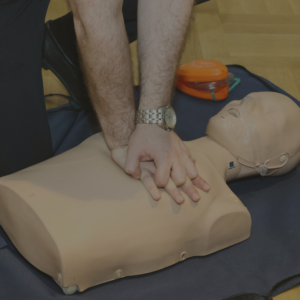
First Aid Appointed Person
This First Aid Appointed Person eLearning course provides essential awareness training for individuals nominated to take responsibility for first-aid provisions and arrangements within their workplace. It focuses on understanding the role and legal context of an appointed person, knowing what first-aid equipment and facilities should be in place, and how to act calmly and effectively in an emergency until professional help arrives. The course is ideal for workplaces where a fully qualified first aider is not required but where someone must manage first-aid arrangements and support basic emergency response.
Course Aims
The primary aims of the First Aid Appointed Person course are to:
- Introduce the role and responsibilities of a First Aid Appointed Person within the context of workplace first-aid provision and the Health and Safety (First Aid) Regulations.
- Clarify legal requirements and compliance expectations, helping learners understand employer duties and the minimum first-aid arrangements required by law.
- Explain what first-aid equipment and facilities should be maintained, including first-aid kits and documentation such as accident records.
- Develop confidence in managing first-aid situations, including knowing how to communicate with emergency services and provide accurate information.
- Support safe and effective emergency response, emphasising calm, measured actions until further medical support arrives.
Key Learning Outcomes
By the end of this 30-minute awareness course, learners will be able to:
- Define the role of a First Aid Appointed Person and explain why the position is required in certain workplace environments.
- Understand basic first-aid legislative context, including employer and employee responsibilities under UK health and safety regulations.
- Identify what should be included in first-aid provisions, such as appropriate first-aid kits and record-keeping.
- Explain how to respond in an emergency, including what information to gather and how to notify and support emergency services.
- Apply a calm, structured approach to basic emergency scenarios, helping to maintain safety and reduce further risk until professional help arrives.

Food Allergy Awareness
This Food Allergy Awareness eLearning course provides learners with essential knowledge about food allergies, the risks they pose, and the measures needed to protect consumers and colleagues. The module focuses on understanding what food allergens are, recognising common allergenic ingredients, and learning how to manage and communicate about allergens safely — including preventing cross-contamination. It is designed for anyone involved in food preparation, service or handling and supports compliance with food safety and allergen information practices.
Course Aims
The primary aims of the Food Allergy Awareness course are to:
- Increase awareness of food allergies and their seriousness, including how the immune system reacts and why avoidance matters.
- Introduce the 14 major food allergens that must be recognised and understood under food safety expectations.
- Explain how to prevent cross-contamination during food preparation, storage, service and handling.
- Clarify relevant food labelling and information practices, including how to provide accurate allergen information for pre-packed and served foods.
- Develop safe behaviours and communication, enabling learners to respond appropriately to allergen enquiries and support allergen-safe environments.
Key Learning Outcomes
By the end of this 20-minute awareness course, learners will be able to:
- Define food allergies and differentiate them from intolerances (understanding why reactions occur).
- Identify the 14 major allergens most commonly responsible for allergic reactions in foods.
- Recognise the dangers of cross-contamination and apply practices to avoid it in food settings.
- Understand key allergen information and labelling requirements relevant to food service and preparation.
- Apply basic food allergy safety principles when handling, preparing, serving or communicating about food containing allergens.

Legionella Awareness
This Legionella Awareness eLearning course provides essential training on the risks posed by Legionella bacteria in water systems and the measures needed to control exposure. Learners will understand what legionella is, how it can grow and spread in man-made water systems such as hot and cold water tanks, cooling towers, showers and plumbing systems, and why it presents a significant health risk if uncontrolled. The course explains legal responsibilities, hazard identification and basic control measures to help prevent Legionnaires’ disease in workplaces and other buildings. It is suitable for employees who have responsibility for or may be exposed to water systems.
Course Aims
The primary aims of the Legionella Awareness course are to:
- Introduce what legionella bacteria are and explain how they can pose a health risk in water systems
- Raise awareness of the conditions that encourage legionella growth and how water systems can become a source of contamination
- Clarify relevant legal duties and guidance for employers and duty holders in managing legionella risk under UK health and safety expectations
- Provide understanding of basic risk assessment and control measures used to prevent legionella proliferation
- Encourage safe behaviours and proactive monitoring to reduce the likelihood of legionella exposure
Key Learning Outcomes
By the end of this 30-minute awareness course, learners will be able to:
- Understand what legionella is and how it causes harm, including how Legionnaires’ disease can develop
- Identify common water systems and conditions that may support legionella growth
- Recognise legal and organisational responsibilities for managing legionella risk and maintaining safe water systems
- Describe basic control measures, such as water temperature control, system cleaning and monitoring practices
- Apply practical awareness to support proactive risk control, reporting concerns and understanding when specialist measures are needed

Lithium-ion Battery Safety (30 mins)
This Lithium-ion Battery Safety eLearning course provides essential training on the risks associated with lithium-ion batteries and how to manage them safely in the workplace. Learners will understand where these batteries are commonly used, the hazards they can present (including fire, thermal runaway and electrical risk), and the practical measures needed to reduce these hazards. The course covers safe handling, charging, storage, transportation and emergency response considerations. It is suitable for anyone who uses, stores or works around devices and equipment powered by lithium-ion batteries.
Course Aims
The primary aims of the Lithium-ion Battery Safety course are to:
- Introduce the fundamentals of lithium-ion battery technology and why safety awareness is important
- Raise awareness of key risks and hazards associated with lithium-ion batteries, including fire and electrical dangers
- Explain legal and organisational expectations for safe handling, storage and use of lithium-ion batteries
- Provide practical guidance on safe procedures for charging, transporting, storing and disposing of batteries
- Encourage appropriate emergency response behaviours in the event of a battery incident
Key Learning Outcomes
By the end of this 30-minute awareness course, learners will be able to:
- Recognise where lithium-ion batteries are commonly used and understand their basic operating principles
- Identify hazards associated with lithium-ion batteries and how these can present risk in the workplace
- Understand safe handling and charging practices that reduce the likelihood of incidents
- Apply safe storage and transportation procedures to protect people and property
- Explain appropriate actions to take in an emergency, including fire response and reporting

PPE Awareness
This PPE Awareness eLearning course provides essential training on the correct selection, use and care of Personal Protective Equipment (PPE) in the workplace. Learners will understand why PPE is needed as part of risk control, how different types of PPE protect against specific hazards, and what responsibilities both employers and employees have to ensure PPE is fit for purpose. The course covers how to fit, inspect, use and maintain PPE effectively and explains how PPE fits within a broader health and safety strategy to reduce the likelihood of injury.
Course Aims
The primary aims of the PPE Awareness course are to:
- Explain the role of PPE in protecting workers from hazards that cannot be eliminated by other control measures
- Raise awareness of different types of PPE, their intended uses and limitations
- Clarify legal and organisational responsibilities for providing, using and maintaining PPE under UK health and safety expectations
- Provide practical guidance on correct fitting, inspection and maintenance of PPE
- Encourage safe behaviours that support consistent and effective use of PPE
Key Learning Outcomes
By the end of this 30-minute awareness course, learners will be able to:
- Understand what PPE is and why it forms part of a comprehensive risk control strategy
- Recognise common types of PPE (e.g. head, eye, ear, hand and respiratory protection) and when they should be used
- Explain employer and employee responsibilities relating to the provision and use of PPE
- Demonstrate correct selection, fitting and inspection of PPE to ensure effective protection
- Apply appropriate maintenance and storage practices to extend PPE lifespan and reliability

PUWER Awareness
This PUWER Awareness eLearning course provides essential training on the Provision and Use of Work Equipment Regulations (PUWER) and the requirements for safe use of machinery and work equipment in the workplace. The course helps learners understand what PUWER is, why it exists, and how it applies to work equipment they may use or encounter. It covers hazard identification, safe operation requirements, inspection and maintenance expectations, guarding and control measures, and how to comply with legal duties to reduce the risk of harm from machinery and equipment.
Course Aims
The primary aims of the PUWER Awareness course are to:
- Introduce the purpose and scope of PUWER and explain why safe provision and use of work equipment matters
- Raise awareness of hazards associated with work equipment including machinery, tools and powered devices
- Clarify legal and organisational responsibilities under the Provision and Use of Work Equipment Regulations
- Provide guidance on safe operation, inspection and maintenance of equipment to prevent incidents
- Encourage risk-aware behaviours and practical control measures in the workplace
Key Learning Outcomes
By the end of this 30-minute awareness course, learners will be able to:
- Define what PUWER is and understand its role in improving safety around work equipment
- Recognise common hazards associated with machinery and equipment and how they can lead to injury
- Explain employer and employee responsibilities for ensuring equipment is suitable, maintained and safe to use
- Apply basic safe operation and inspection practices to support compliance and risk reduction
- Understand the importance of guarding, controls and correct user behaviour when working with or around equipment

Ladder Safety
This Ladder Safety eLearning course provides essential awareness training on the safe use of ladders and stepladders in the workplace. It helps learners understand the risks associated with ladder use, how accidents commonly occur, and how to select, set up, inspect and use ladders safely. The course includes practical guidance on correct climbing technique, hazard spotting, stability checks and basic legal expectations. It is suitable for anyone who may use portable ladders or work around ladder activities as part of their role.
Course Aims
The primary aims of the Ladder Safety course are to:
- Introduce basic principles of safe ladder use and why correct technique matters
- Raise awareness of common hazards and risks associated with ladders and stepladders
- Explain how to select the right equipment for the task and environment
- Provide guidance on correct ladder setup, inspection and positioning
- Encourage safe behaviours and risk-aware decision making when working at height
Key Learning Outcomes
By the end of this 20-minute awareness course, learners will be able to:
- Recognise different types of ladders and when they should be used safely
- Identify common ladder hazards including instability, incorrect angle and surface risks
- Understand how to inspect and maintain ladders to ensure they remain safe for use
- Apply correct setup and positioning techniques to reduce the likelihood of slips, trips and falls
- Demonstrate safe climbing behaviours and control measures when working at height

Office Safety
This Office Safety eLearning course provides essential training on the key health, safety and wellbeing considerations relevant to typical office environments. It covers how to identify and control common office hazards, such as slips, trips and falls, workstation setup, storage and housekeeping issues, electrical risks, fire safety basics and how personal behaviour contributes to a safer workplace. The course supports compliance with general health and safety guidance and is suitable for all employees working in offices or similar low-risk administrative settings.
Course Aims
The primary aims of the Office Safety course are to:
- Introduce key office-related health and safety principles and why they matter in everyday work
- Raise awareness of common office hazards and how they can be recognised
- Explain legal and organisational responsibilities for maintaining a safe office environment
- Provide practical guidance on hazard control and safe work practices appropriate for office settings
- Encourage positive behaviours that contribute to a safer and more productive workplace
Key Learning Outcomes
By the end of this 30-minute awareness course, learners will be able to:
- Understand why office safety matters and how it contributes to overall wellbeing and productivity
- Identify common office hazards such as slips, trips, poor housekeeping, workstation issues and electrical risks
- Explain basic legal and organisational responsibilities for maintaining a safe office environment
- Apply simple control measures and safe behaviours to reduce risk and prevent accidents
- Demonstrate good practices for maintaining a tidy, hazard-aware workspace

Fire Safety
This Fire Safety eLearning course provides essential awareness training on the principles of fire safety in the workplace and everyday environments. The course introduces learners to how fires start and spread, the common hazards and causes associated with fire, and the practical measures that help prevent fires from occurring. It also covers how to respond safely in the event of a fire by understanding evacuation procedures, recognising fire warnings and knowing the appropriate action to take. This training supports compliance with the Regulatory Reform (Fire Safety) Order 2005 and is suitable for all employees, regardless of role or experience.
Course Aims
The primary aims of the Fire Safety course are to:
- Explain the nature of fire, including the fire triangle and how fires ignite and develop.
- Raise awareness of workplace fire hazards and common causes of fires so learners can help prevent them.
- Clarify legal duties and compliance expectations, including basic responsibilities under UK fire safety legislation.
- Provide guidance on safe evacuation procedures, warning systems and how to act in a fire emergency.
- Introduce fire risk reduction techniques and simple preventive actions learners can take in their daily work.
Key Learning Outcomes
By the end of this 30-minute training module, learners will be able to:
- Describe how fire starts and spreads, including understanding the fire triangle and the dynamics of flames and smoke.
- Recognise common fire hazards and understand how to reduce the risks associated with them.
- Understand basic fire safety responsibilities for employees and employers under relevant workplace safety regulations.
- Identify the types of fire equipment and alarm systems that may be present and when they should be used.
- Explain evacuation protocols and emergency response actions, including how to behave safely if a fire occurs.

Noise Awareness
This Noise Awareness eLearning course provides foundational training on the risks associated with noise exposure in the workplace and the practical steps needed to protect hearing and maintain a safe working environment. Learners will understand how noise can cause hearing damage, how to recognise high-risk noise environments and how to apply control measures such as engineering controls, administrative actions and personal protective equipment. The course supports organisational compliance with relevant health and safety guidance on noise and is suitable for all employees who may be exposed to or work around noisy activities or equipment.
Course Aims
The primary aims of the Noise Awareness course are to:
- Explain how noise exposure affects health, including short- and long-term hearing damage
- Raise awareness of noise hazards in the workplace and how they can be identified
- Clarify legal responsibilities for employers and employees under UK noise legislation and guidance
- Provide practical guidance on how to assess and reduce noise risks through control measures
- Encourage safe behaviours and hearing protection practices to minimise the likelihood of noise-induced harm
Key Learning Outcomes
By the end of this 30-minute awareness course, learners will be able to:
- Understand what noise-induced hearing loss is and how it develops from prolonged or high-level exposure
- Recognise common sources of hazardous noise in work environments
- Identify the legal and organisational expectations for managing noise risks and protecting hearing
- Explain practical control measures such as reducing noise at source, limiting exposure time and using appropriate hearing protection
- Apply safe working behaviours and reporting practices to contribute to a safer workplace

Fire Marshal and Wardens
This Fire Marshal and Wardens eLearning course provides focused training on the duties, responsibilities and practical actions required to support fire safety in the workplace. It explains the role of a Fire Marshal/Fire Warden, how to identify and manage fire hazards, implement basic fire prevention measures, and contribute effectively to evacuation procedures in an emergency. The course supports organisations in meeting their legal obligations and helps nominated personnel act confidently and competently within their fire safety roles.
Course Aims
The primary aims of the Fire Marshal and Wardens course are to:
- Clarify the role and responsibilities of Fire Marshals and Fire Wardens within the workplace fire safety framework.
- Increase awareness of fire hazards and how to identify potential fire risks in the workplace.
- Explain fire prevention principles, including proactive checks and routine safety measures to reduce the likelihood of a fire.
- Support safe evacuation practices, including understanding evacuation procedures and how to assist occupants during an emergency.
- Highlight legal expectations under current UK fire safety legislation and why trained marshals/wardens are essential for compliance.
Key Learning Outcomes
By the end of this 30-minute training module, learners will be able to:
- Describe the purpose of the Fire Marshal/Fire Warden role and why it is important for fire safety.
- Identify common workplace fire hazards and how they can contribute to fire risk.
- Understand basic fire prevention measures and routine checks a marshal/warden should carry out.
- Explain what actions to take when a fire alarm sounds, including supporting a safe evacuation.
- Recognise the importance of cooperation with other fire safety roles and overall workplace fire safety arrangements.

Health and Safety Induction (Low Risk)
This Health and Safety Induction (Low Risk) eLearning course provides a clear and concise introduction to the core principles of health and safety for employees working in low-risk environments. It is ideal for new starters in settings such as offices, retail, administration or other roles where hazards are generally less severe but safety awareness remains essential. The course covers basic health and safety responsibilities, common low-risk hazards, simple control measures and organisational expectations that support a safe and compliant workplace from the first day on the job.
Course Aims
The primary aims of the Health and Safety Induction (Low Risk) course are to:
- Introduce fundamental health and safety principles and explain why they matter in low-risk work environments
- Clarify legal responsibilities of employers and employees under UK health and safety legislation
- Increase awareness of typical low-risk hazards and how they can be recognised in routine tasks
- Provide simple, practical risk control measures that are proportionate and easy to apply
- Encourage safe behaviours and proactive reporting to support a positive safety culture
Key Learning Outcomes
By the end of this 25-minute induction course, learners will be able to:
- Understand the purpose and importance of health and safety in low-risk workplace environments
- Recognise employer and employee responsibilities for maintaining a safe working environment
- Identify common low-risk hazards such as slips, trips, workstation issues and housekeeping concerns
- Apply straightforward control measures to reduce the likelihood of accidents or ill health
- Explain the appropriate procedures for reporting hazards, near misses and incidents to support continuous improvement in safety practices

Homeworker Awareness
This Homeworker Awareness eLearning course provides essential training for individuals who work from home or in remote locations. It covers the key health, safety and wellbeing considerations specific to homeworking arrangements. Learners will understand how to set up a safe and comfortable workspace, identify common risks in a home environment, and apply practical strategies to manage risks related to ergonomics, electrical safety, stress, fire hazards and general work organisation. The course supports both employee and employer understanding of homeworking responsibilities to help maintain productivity and reduce the likelihood of work-related harm.
Course Aims
The primary aims of the Homeworker Awareness course are to:
- Introduce health, safety and wellbeing principles relevant to homeworking arrangements
- Raise awareness of common homeworking hazards such as slips, trips, electrical risks, ergonomic issues and fire hazards
- Explain legal responsibilities of employers and employees in a homeworking context under UK health and safety expectations
- Provide practical guidance for setting up safe and effective home workstations
- Encourage positive habits that support physical wellbeing, mental health and productivity
Key Learning Outcomes
By the end of this 30-minute awareness course, learners will be able to:
- Recognise the main risks associated with working from home and how they differ from traditional workplace settings
- Understand how to set up an ergonomic and compliant home workstation to reduce discomfort and injury
- Identify common household hazards (electrical equipment, fire risks, slips and trips) and apply practical measures to control them
- Explain responsibilities for health and safety between employer and homeworker
- Demonstrate positive work habits that support wellbeing, work-life balance and safe homeworking practices

Martyn’s Law Security Awareness
This Martyn’s Law Security Awareness eLearning course provides essential training on the upcoming Terrorism (Protection of Premises) Act 2025, widely known as Martyn’s Law, and introduces key counter-terrorism concepts that support protective security in publicly accessible places. The course explains the purpose of the legislation, the types of premises and events it affects, and why vigilance, threat awareness and effective response behaviours are critical for organisations and individuals working in public environments. Learners will also explore basic practices for recognising suspicious activity, reducing vulnerability and contributing to site security preparedness.
Course Aims
The primary aims of the Martyn’s Law Security Awareness course are to:
- Introduce Martyn’s Law and explain its purpose in enhancing protective security in publicly accessible premises and events.
- Raise awareness of the key security threats and terrorism risk landscape that premises and events may face.
- Clarify who may be affected by Martyn’s Law, including criteria based on venue capacity and public access.
- Provide understanding of basic protective behaviours and vigilance principles that help reduce risk and increase readiness.
- Encourage proactive security practices and reporting, including recognising and responding to suspicious behaviours or items.
Key Learning Outcomes
By the end of this 30-minute awareness course, learners will be able to:
- Describe what Martyn’s Law is and why it has been introduced to improve public safety and protective security.
- Understand the types of venues and events it applies to and the tiered approach to responsibilities.
- Identify the basic terrorism risks and threat indicators relevant to their workplace or environment.
- Recognise the importance of vigilance and observation in identifying suspicious activity or items.
- Apply foundational security awareness behaviours, including when and how to report concerns and support organisational preparedness.

Environmental Awareness
This Environmental Awareness eLearning course provides essential training to help learners understand the environmental issues affecting modern workplaces and the broader world, and how individual and organisational actions contribute to environmental impact. It highlights key concepts such as climate change, resource use, pollution and waste, and explains practical steps to minimise negative environmental effects and support sustainability objectives. The course is suitable for all employees, from frontline staff to managers, to build environmentally responsible behaviours at work and beyond.
Course Aims
The primary aims of the Environmental Awareness course are to:
- Increase understanding of environmental issues, including climate change, biodiversity loss and human impacts on natural systems.
- Explain the ways workplaces contribute to environmental degradation and the responsibilities organisations have to manage their impact.
- Support awareness of relevant legislation and good practice that helps organisations and individuals act sustainably.
- Equip learners with practical strategies to reduce waste, conserve resources and improve environmental performance.
- Encourage positive behavioural change, enabling learners to make environmentally responsible decisions in their work and personal lives.
Key Learning Outcomes
By the end of this 45-minute training module, learners will be able to:
- Define key environmental concepts, including what constitutes the environment and why it matters.
- Recognise the main environmental challenges facing the planet and how human activities contribute to them.
- Identify how workplaces affect the environment, such as resource use, waste generation and emissions.
- Explain the basic principles of environmental compliance and responsibility, including how legislation and corporate policy support sustainable practice.
- Apply simple, practical steps to reduce environmental impact at work and improve personal sustainability behaviours.
Martyn’s Law Awareness
This Martyn’s Law Awareness eLearning course provides learners with a clear and practical introduction to the Terrorism (Protection of Premises) Act 2025, commonly referred to as Martyn’s Law. The legislation is designed to improve protective security and preparedness at publicly accessible premises and events in the UK by requiring those responsible to take steps to reduce vulnerability to terrorism and protect people on site. The course explains the purpose and key elements of the law, the tiered approach to compliance, and how organisations can begin planning and implementing proportionate security measures now, ahead of full enforcement.
Course Aims
The primary aims of the Martyn’s Law Awareness course are to:
- Introduce Martyn’s Law and explain its purpose in enhancing public protection from terrorism in public spaces and events.
- Raise awareness of the key requirements of the Terrorism (Protection of Premises) Act 2025 and how it applies to venues and organisers.
- Explain the tiered approach to compliance, including standard and enhanced tiers based on expected attendance and risk profile.
- Provide understanding of preparatory actions organisations should take now, including risk assessment, planning and basic protective measures.
- Encourage proactive preparedness and training so learners can support organisational responsibilities and contribute to safer environments.
Key Learning Outcomes
By the end of this 45-minute awareness course, learners will be able to:
- Describe what Martyn’s Law is and why it has been introduced, including its basis in UK counter-terrorism strategy and public safety objectives.
- Understand who the law applies to, including types of premises and events that fall within its scope and duty thresholds.
- Explain the standard and enhanced tier framework and what different levels of preparation are expected.
- Recognise basic protective security measures that organisations should consider implementing before full legal enforcement.
- Apply foundational knowledge to support organisational readiness, including contributing to risk assessments, planning and staff awareness initiatives.
Find More Of Our Training Courses Here

Wellbeing & Workplace Behaviour Training
These online training courses support employee wellbeing, inclusive workplaces, and responsible management practices.

Cyber & Data Protection Training Courses
Our cyber security and data protection courses help organisations protect information, reduce security risks, and strengthen compliance.

Business Compliance & Governance Training
Our business essentials courses support regulatory compliance, ethical governance, and organisational accountability.

IOSH Approved Safety Training Courses
Our business essentials courses support regulatory compliance, ethical governance, and organisational accountability.
Enquire About Online Training
If you would like more information about course availability, pricing, or bulk access for your organisation, our team can help.
We can advise on the most suitable training package based on your workforce size, sector, and compliance requirements.
Get in touch today to discuss your online training requirements.